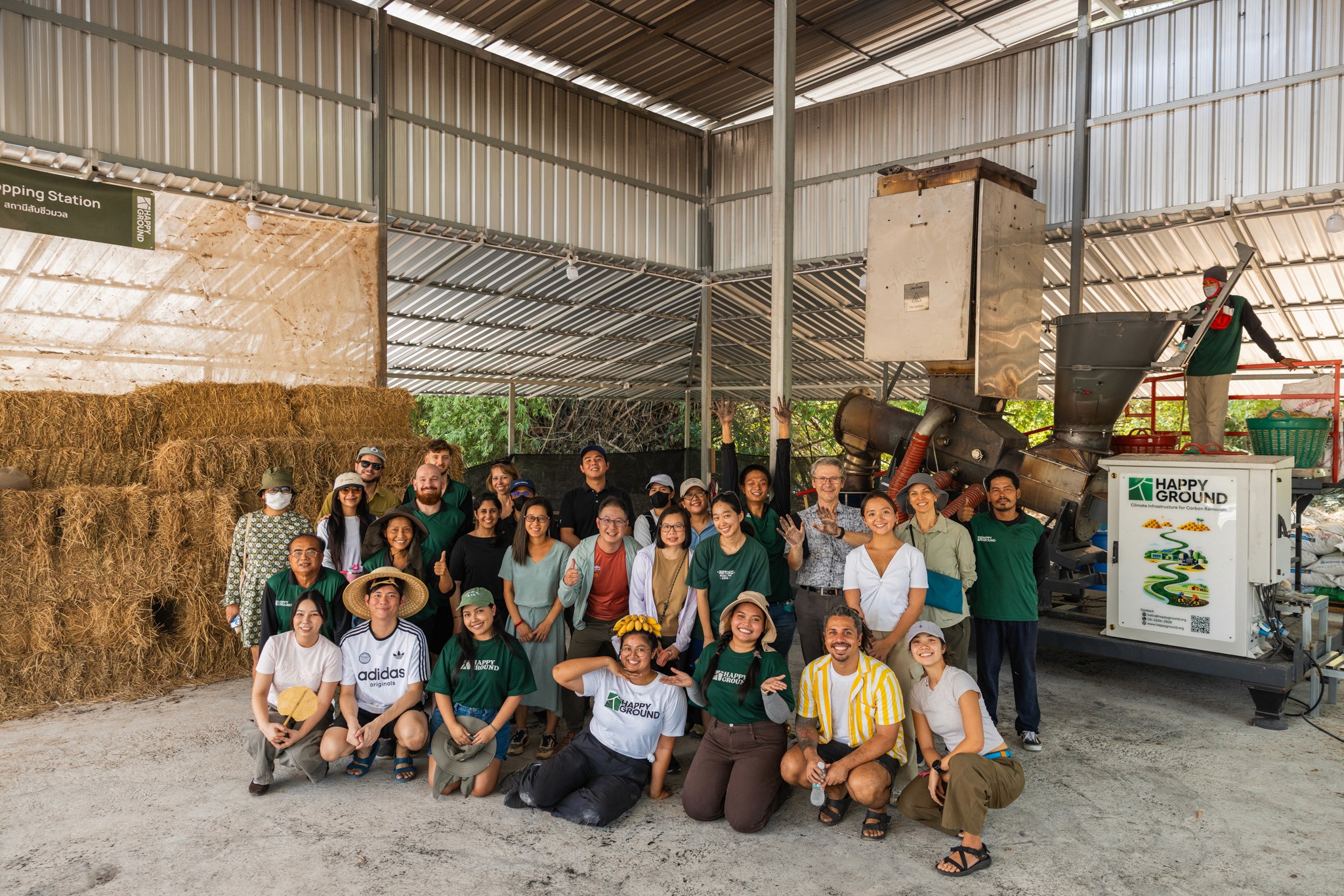
Happy Ground R&D Facility in Suphanburi, Thailand
Inside our Suphanburi R&D facility, where we're building the infrastructure to scale regenerative agriculture and climate transition, from field data and biochar to monitoring and forecasting.
R&D
Mar 28, 2026
Overview
What if the agricultural waste creating a problem today could become part of the solution tomorrow?
This is the question that brought us to rice straw, biochar and our R&D facility in Suphanburi, Thailand.
But the bigger experiment is not simply about making biochar.
It is about building the infrastructure to deploy, measure and learn from agricultural interventions at scale.
We started with a problem we could see
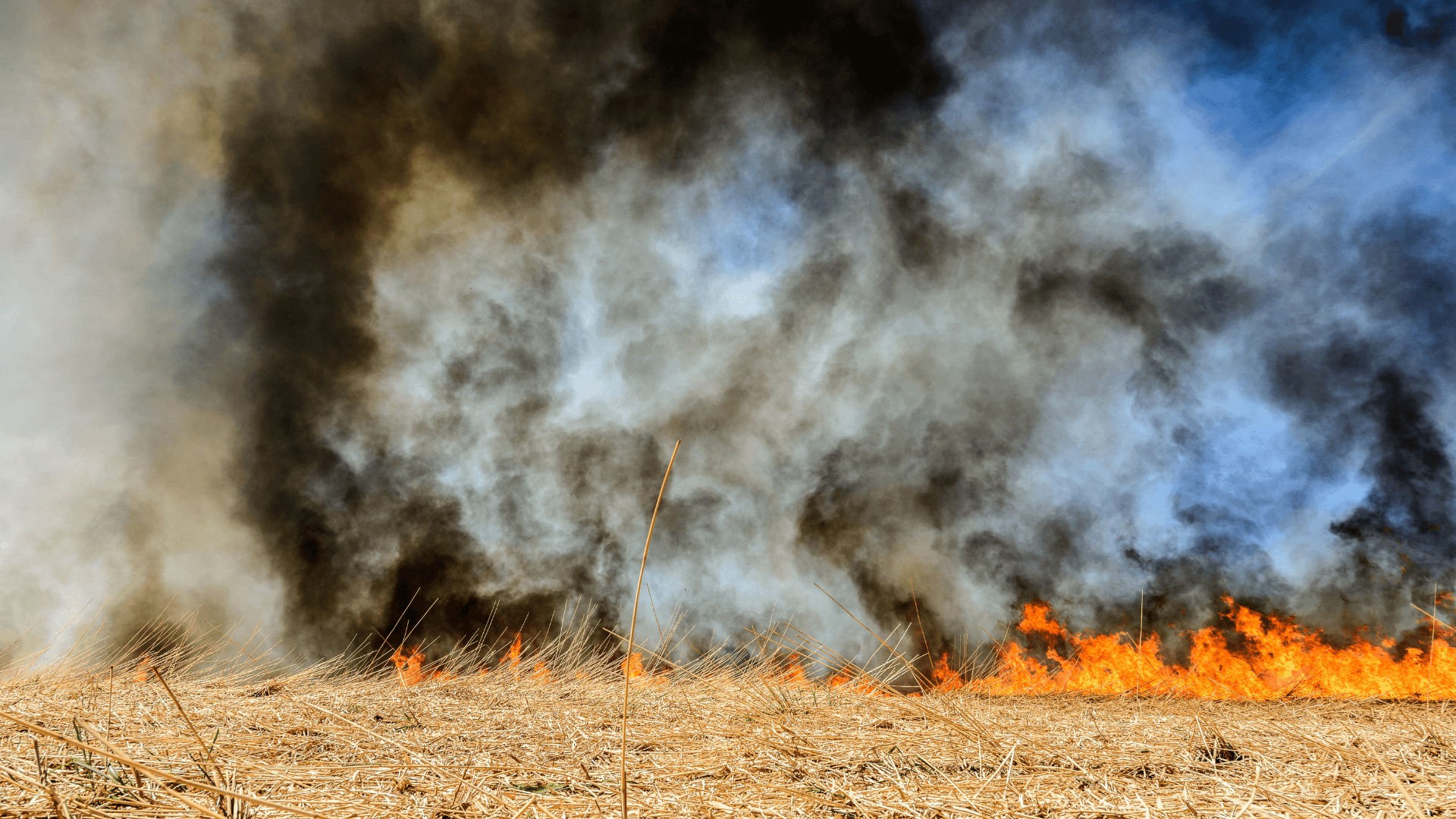
After harvest, large amounts of rice straw are left in the field. In many places, open-field burning remains a common way to clear residues for the next crop.
The result is a familiar cycle: agricultural biomass becomes smoke and air pollution, while a potentially valuable resource is lost.
We wanted to explore a different pathway.
What if rice straw could become part of the agricultural solution instead of being treated as waste?
That led us to biochar.
At Suphanburi, we're building and testing a system that connects the entire journey: from agricultural residue, to biochar production, to field application, to measurement and learning.
Why start with biochar?
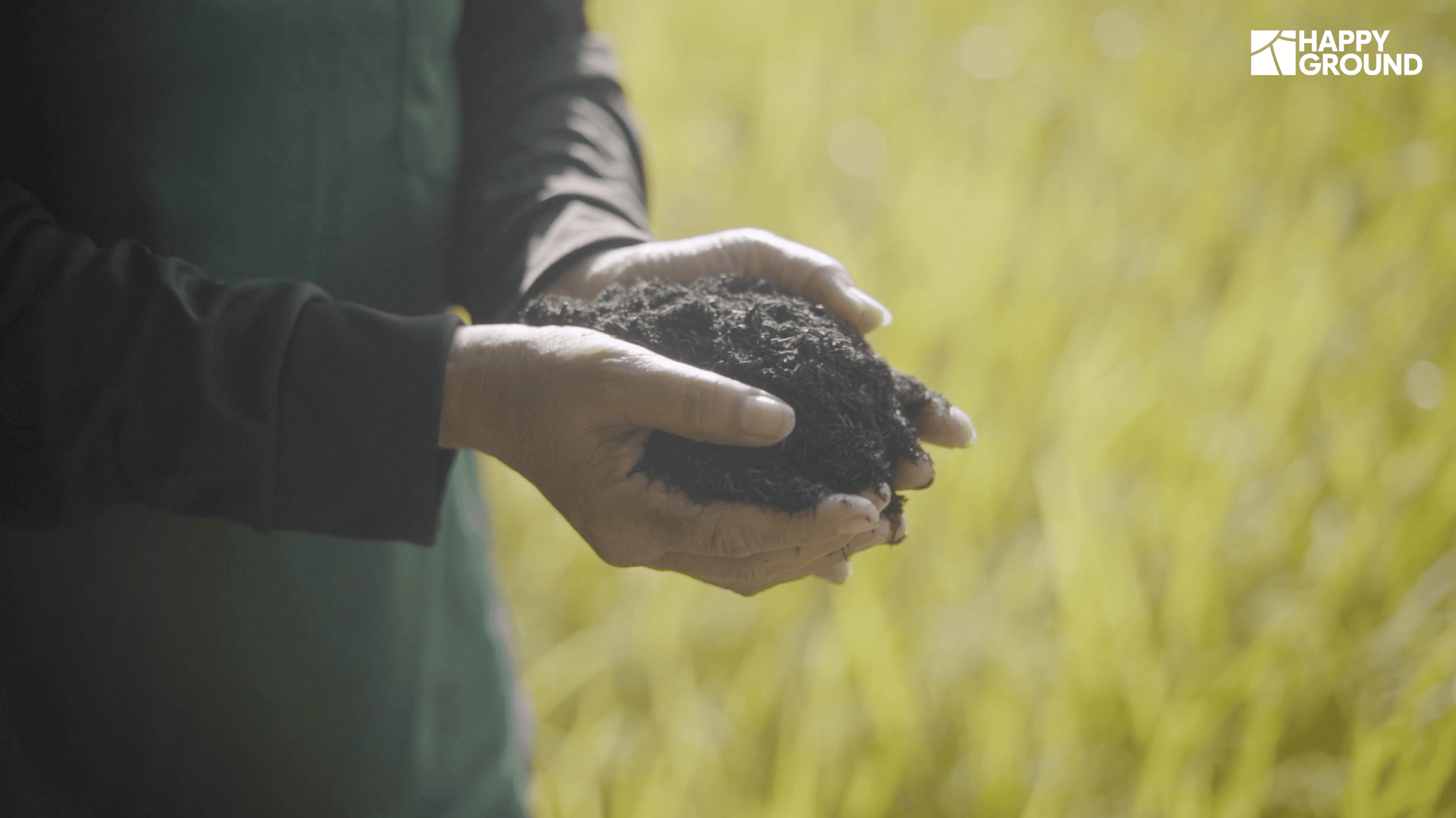
We deliberately chose one of the more complex agricultural interventions to start with.
Biochar sits at the intersection of agriculture, carbon removal, traceability and compliance.
To build a credible project, we need to understand much more than what comes out of a production facility.
Where did the biomass come from?
How was it processed?
What was produced?
Where did it go?
How was it applied?
And what happened afterwards?
Every step needs to be connected.
For us, that complexity is intentional.
If we can build the infrastructure to make one of the most complex interventions traceable, measurable and compliant, we can create a foundation for many others.
That's why we see Suphanburi as more than a biochar project.
Biochar is our starting point. The infrastructure we're building is designed for much more.
From Agricultural Residue to a Replicable Industrial Model
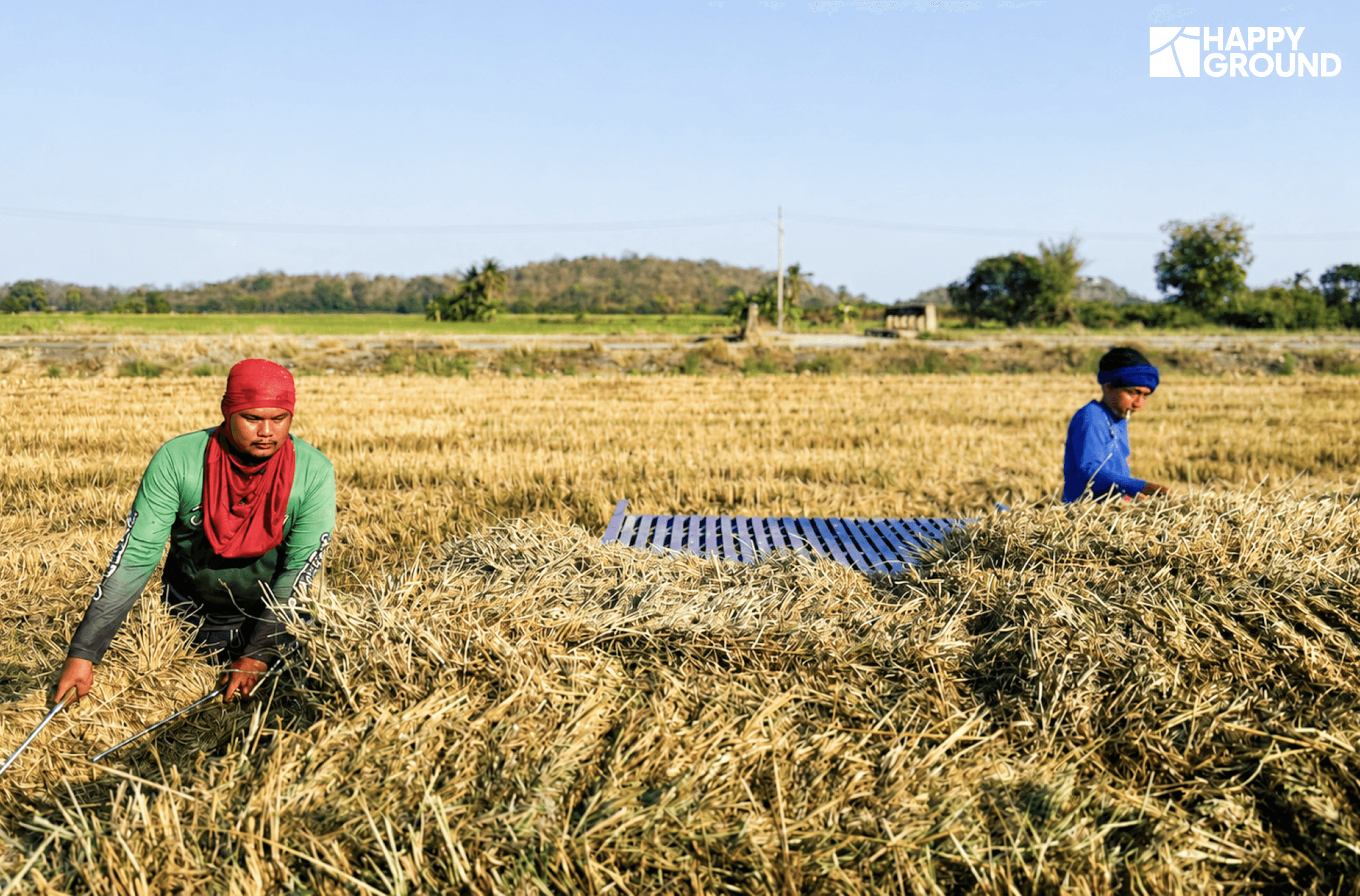
Turning rice straw into biochar starts long before the pyrolysis machine.
The first question is not “How do we make biochar?”
It's:
“Can we build a system that can reliably move agricultural biomass from thousands of farms into a scalable production process?”
That's why every new project starts with a feasibility study.
We map where the biomass is, how much is actually available, how it is currently managed, and what it would take to collect it.
Then we work backwards through the entire process:
Biomass sourcing → Collection → Pre-processing → Transportation → Pyrolysis → Quality control → Distribution → Field application
For each step, we need to understand both the operational requirements and the economics.
How much biomass can we realistically collect?
How far does it need to travel?
What moisture level can the process accept?
What pre-processing is required?
What equipment and labor are needed?
How much does each step cost?
And ultimately:
Does the economics work at scale?
Turning one project into a replicable model
This is an important part of how we approach agricultural transition.
We don't want to build a bespoke system every time we enter a new supply chain.
Through the feasibility process, we identify the variables that matter and develop replicable operating models around them.
For example, a rice-growing region may have a different biomass density, logistics network and preprocessing requirement from a sugarcane region.
The physical system may change.
But the underlying methodology stays the same:
Map → Model → Test → Measure → Optimize → Replicate
The objective is to turn what we learn from one deployment into a blueprint that can be adapted to the next.
Why industrial-scale pyrolysis?
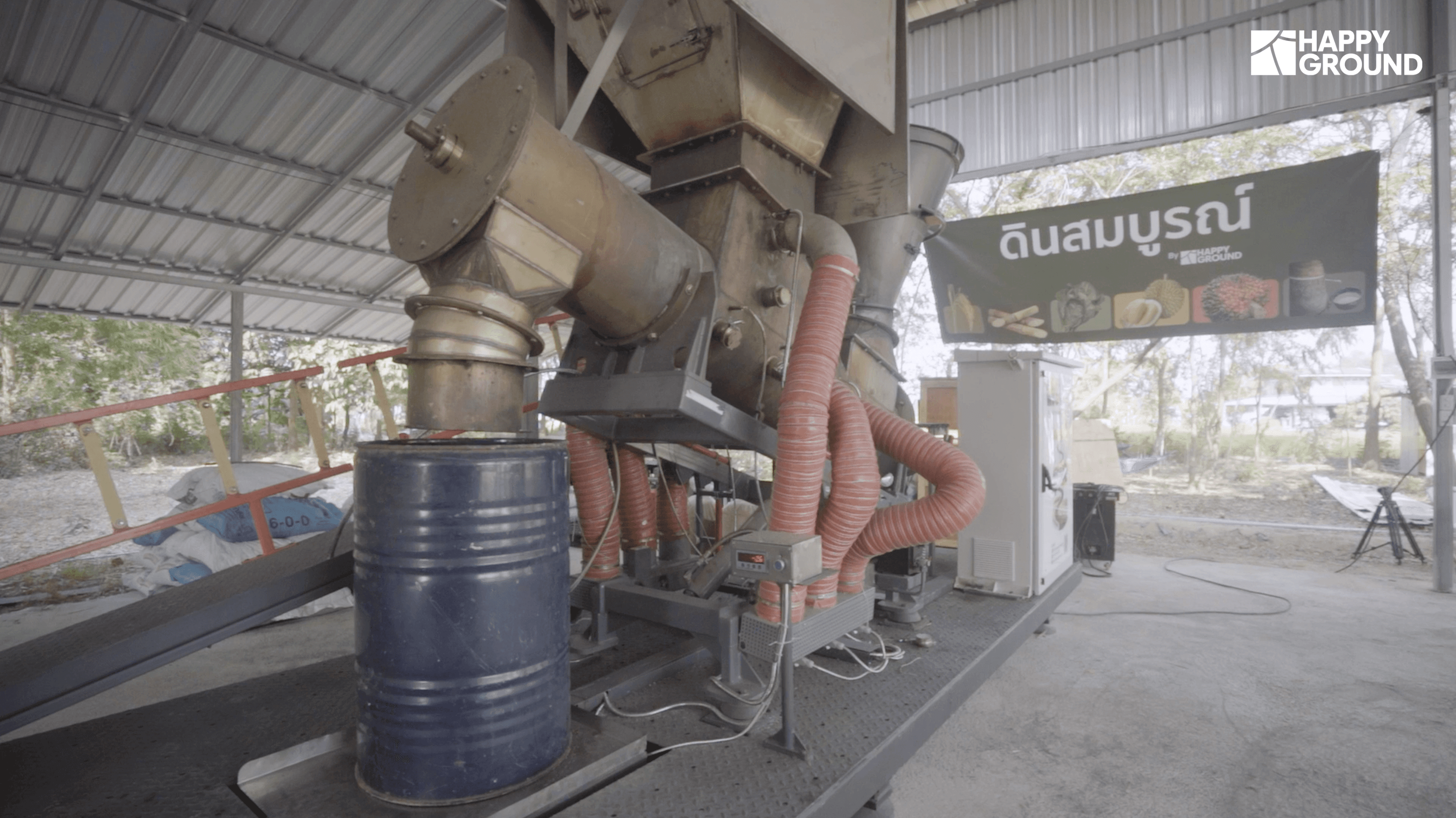
Once we understand the biomass system, we can design the processing infrastructure around it.
At Suphanburi, we chose to work with an industrial pyrolysis system rather than designing around small decentralized units.
The reason is scalability.
If agricultural transition is going to reach thousands of farmers, the infrastructure cannot depend on solutions that only work at the scale of a few farms.
Industrial processing gives us a pathway to consolidate biomass, standardize production and increase throughput.
But it also creates an opportunity to bring enterprises into the system.
Large food companies, agricultural processors and supply-chain operators can create the demand and infrastructure needed to turn agricultural residues into valuable interventions.
The enterprise creates the scale.
The farmer receives the value.
Every tonne needs to be traceable
Once biomass enters the system, traceability continues through every stage.
We need to connect:
Where the biomass came from
→ how it was collected
→ how it was pre-processed
→ how it was processed
→ what biochar was produced
→ where it went
→ how it was applied
This is one of the reasons we deliberately started with biochar.
It forces us to solve the difficult problem of connecting distributed agricultural activity with industrial processing and verified outcomes.
And that infrastructure can eventually support other interventions too.
From the machine to the laboratory
Producing biochar isn't enough.
We also need to understand what we're actually producing.
Our biochar is tested for characteristics including carbon content, moisture, ash, volatile matter, fixed carbon, pH, electrical conductivity and H:C ratio, alongside relevant contaminant testing.
For independent analysis, we work with Eurofins, including accredited laboratory testing where applicable.
So the chain doesn't end when the biochar comes out of the machine.
Biomass data → production data → laboratory data → field data
The more of that chain we can connect, the more confidently we can understand the intervention and eventually replicate it elsewhere.
Before we can measure impact, we need to capture what is happening

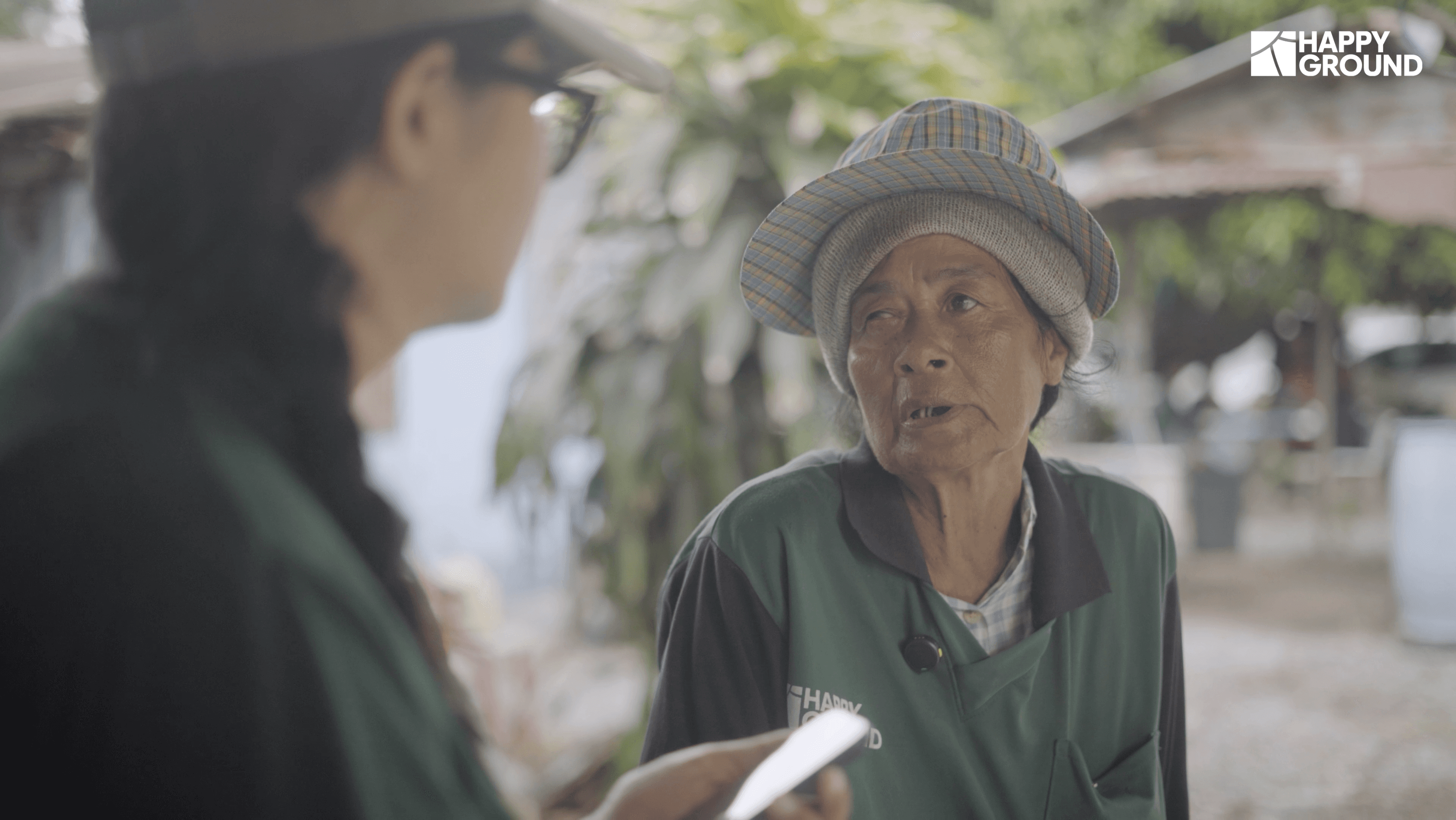
One of the biggest problems we encounter in agricultural programs happens before monitoring even begins.
Field information is often scattered across spreadsheets, documents, messaging apps, photos and handwritten notes. After the field visit, there can be multiple handovers before that information becomes usable.
And by then, we have to ask:
Is the data complete?
Is it accurate?
Can we trace it back to the source?
This is why we built Capture AI.
Our field teams can record conversations naturally with farmers, move through questions as they talk, and capture photos, audio and other evidence without breaking the flow of the interaction.
AI structures the information as it is collected, while keeping the supporting evidence connected to the same record.
So instead of:
Field visit → notes → handover → transcription → cleaning → analysis
we can move closer to:
Field visit → structured data.
That changes what becomes possible later.
Because if the foundation is fragmented, everything built on top of it becomes harder to trust.
If the foundation is structured and traceable, the same data can support intervention, monitoring, MRV and eventually forecasting.
But carbon isn't enough
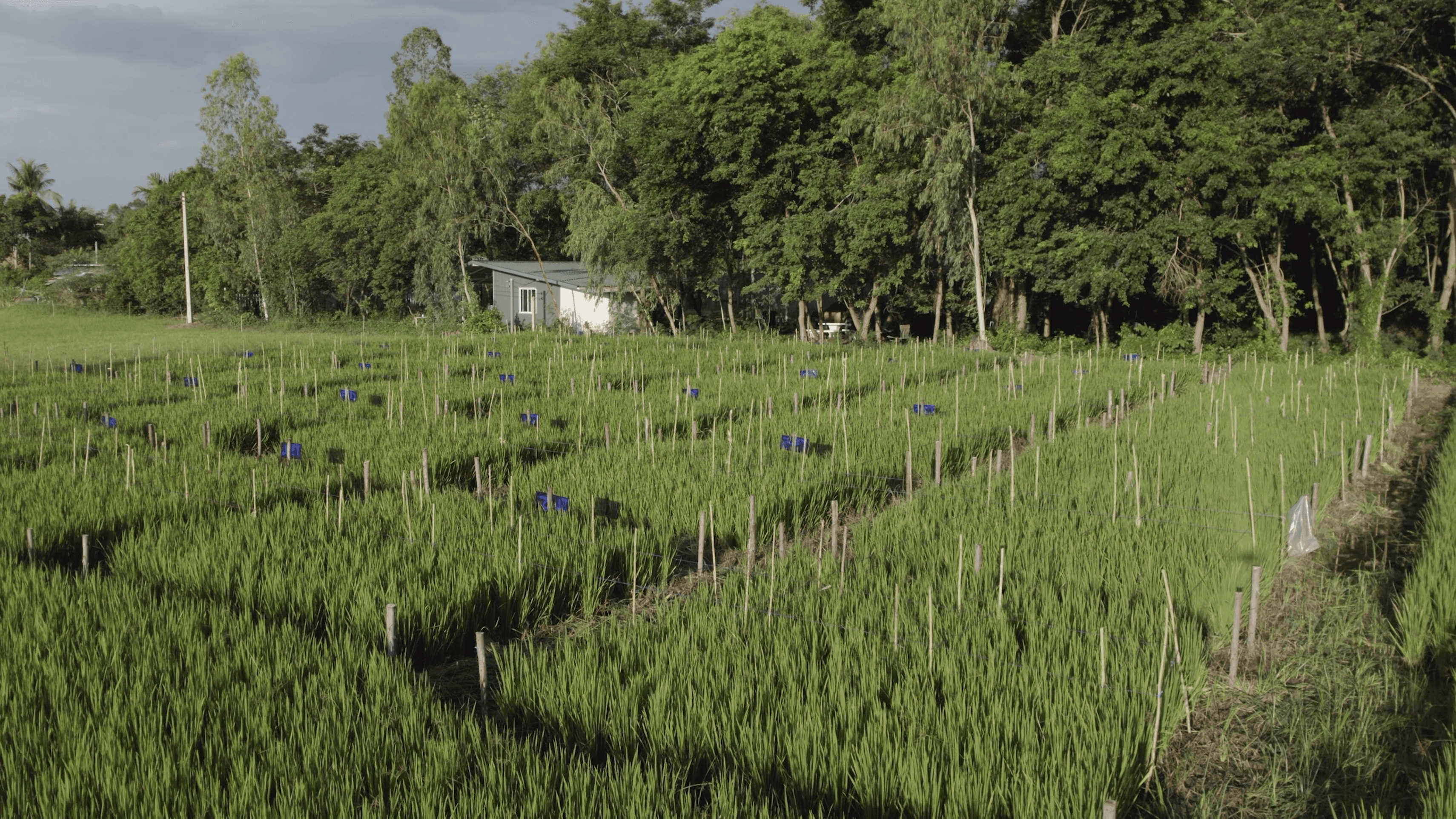
A technically sound carbon project doesn't automatically mean a good agricultural intervention.
We also need to know whether what we're doing actually works for farmers.
That's why our work at Suphanburi includes field experiments alongside the development of the biochar and measurement infrastructure.
We test the intervention under real agricultural conditions and observe what happens in the field.
The goal is to build confidence in both sides of the equation:
Can we measure the climate outcome credibly?
And:
Does the intervention create meaningful value for the farmer and the agricultural system?
For us, these questions cannot be separated.
We don't want to build carbon projects around farmers. We want to build agricultural interventions that work for farmers and can also be measured as climate outcomes.
Then the field starts talking back
Once we have a baseline and an intervention, another layer begins to emerge: data.
Every deployment creates another set of observations.
What happened in the field?
Where was the intervention applied?
What changed?
What didn't?
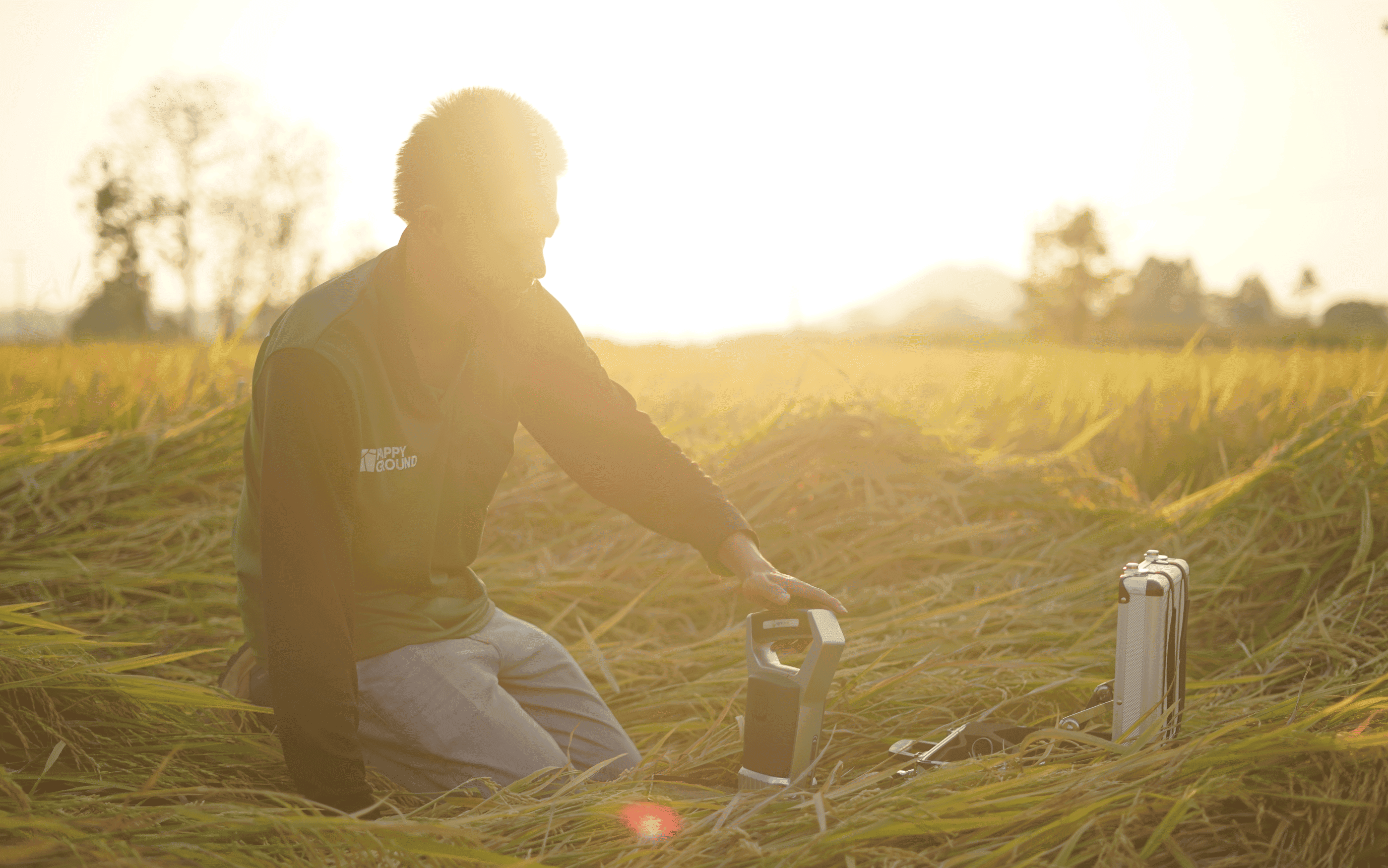
We're exploring technologies such as NIR soil scanning to make soil measurement faster and more scalable, alongside traditional field measurements and laboratory analysis.
The ambition is to make it possible to understand more farms, more frequently, without creating an impossible operational burden.
We can then connect those measurements with field observations, intervention records and geospatial information.
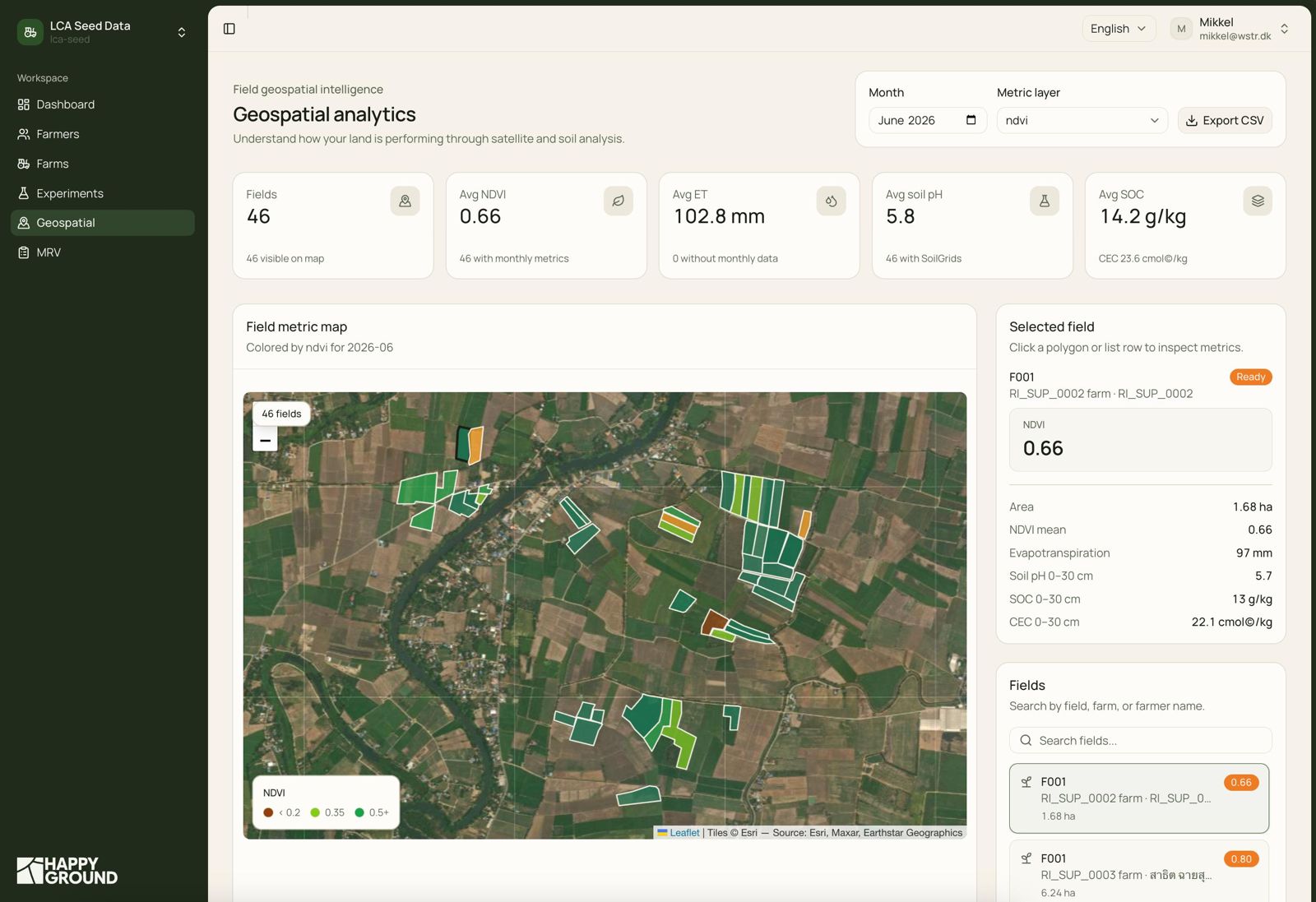
One measurement on its own tells us very little.
But repeated observations across farms and seasons begin to reveal patterns.
One project gives us observations.
Multiple deployments begin to give us patterns.
And patterns are what eventually allow us to ask a much more valuable question.
From monitoring to forecasting
Today, monitoring helps us understand what happened.
But the real opportunity is what happens when that data starts accumulating.
Imagine being able to look across farms and ask:
Where should we deploy?
Which intervention is most likely to work?
What outcome can we expect?
What will implementation require?
Where should an enterprise invest next?
That's the direction we're building toward with Forecast.
The idea is simple:
Capture creates the foundation.
Interventions create outcomes.
Monitoring tells us what happened.
The growing dataset helps us understand patterns.
Forecast turns those patterns into forward-looking intelligence.
And that intelligence can ultimately help enterprises make better investment decisions.
The flywheel
This is the part of the system we're most excited about.
Every deployment creates more data.
More data helps us understand agricultural systems better.
Better understanding improves our models and our ability to predict outcomes.
Better intelligence helps enterprises make more informed investment decisions.
Those decisions enable more deployments.
And more deployments create more data.
More deployments → more proprietary field data → better intelligence → better investment decisions → more deployments.
The value isn't just in monitoring one project.
It's in what the system learns across projects.
Building the foundation for what comes next
Our Suphanburi project is currently focused on biochar and is in the process of certification with Puro.earth.
The certification process is an important part of building the traceability, documentation and measurement infrastructure required for a credible carbon removal project.
But we're thinking beyond a single intervention.
We chose biochar partly because it forces us to solve some of the hardest problems around traceability, compliance, field data and MRV.
Once those foundations exist, they can support other agricultural transition programs as well.
The intervention may change.
The underlying infrastructure doesn't have to.
One project becomes a learning system
The goal of Suphanburi isn't simply to prove that we can make biochar.
It's to prove that we can build the infrastructure needed to deploy, measure and learn from agricultural interventions at scale.
We started with a visible problem: rice straw being burned in the field.
We chose a complex intervention that would force us to build rigorous systems around it.
We are testing the agricultural impact with real field experiments.
We're building Capture because reliable intelligence has to start with reliable field data.
We're exploring scalable soil measurement and combining it with monitoring and geospatial information.
And we're building toward Forecast because the ultimate value of all this data isn't just knowing what happened.
It's knowing what to do next.
Biochar is where we're starting.
The flywheel we're building is much bigger.
Explore more.
